About Circular Slitting Cutters
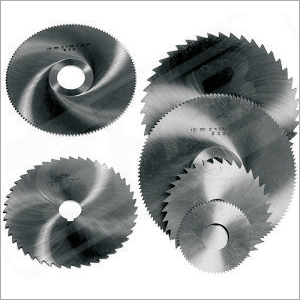
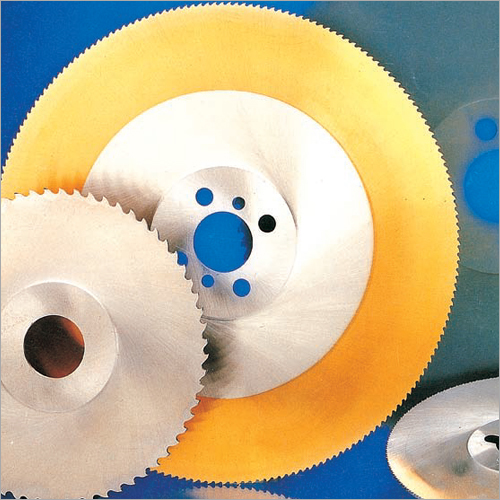
Circular Slitting Cutters, also known as rotary slitters or disc cutters, are cutting tools used for precise and efficient cutting of materials in a circular motion. These cutters consist of a circular disc-shaped body with sharp cutting edges or teeth around the periphery. They are commonly used in various industries for slitting or cutting applications, such as converting films, paper, textiles, and other flexible materials.
FAQs :
Q: What are Circular Slitting Cutters?
A: Circular Slitting Cutters are cutting tools with a circular disc-shaped body and sharp cutting edges or teeth around the periphery. They are designed for accurate and efficient cutting of materials in a circular motion.
Q: What are the applications of Circular Slitting Cutters?
A: Circular Slitting Cutters find applications in industries such as printing, packaging, textiles, and converting. They are commonly used for slitting or cutting materials like films, paper, fabric, adhesive tapes, and other flexible materials.
Q: How do Circular Slitting Cutters work?
A: Circular Slitting Cutters work by rotating the cutter disc against the material to be cut. The sharp cutting edges or teeth on the periphery of the disc engage with the material, effectively slicing through it in a circular motion.
Q: What materials can be cut using Circular Slitting Cutters?
A: Circular Slitting Cutters can be used to cut a wide range of materials, including films, paper, fabric, adhesive tapes, foils, laminates, nonwovens, and other flexible materials. The suitability of the cutter for a specific material depends on factors such as material thickness, tensile strength, and composition.
Precision Engineering for Diverse ApplicationsOur cutters are meticulously crafted for use in slitting, trimming, and cutting various materials including sheet metal, plastics, film, paper, and foil. The precision ground and polished surface finish guarantees reduced friction and cleaner cuts, supporting fast and efficient workflows in industrial settings.
Versatile Customization and SpecificationsWe provide full flexibility in size, thickness, edge profile, tooth form, and inner hole diameter, adapting each cutter to client-specific requirements. With a wide diameter range from 10 mm to 300 mm and above, and customizable tolerances, our cutters integrate smoothly into different machines and processes.
FAQ's of Circular Slitting Cutters:
Q: How are the flat ground and beveled edge types of circular slitting cutters different in application?
A: Flat ground edges provide a precise, straight cut, ideal for thin materials and applications requiring minimal burrs. Beveled edges, on the other hand, are suited for cutting thicker or multi-layered materials, as their angled design aids in penetration and reduces cutting force.
Q: What is the manufacturing process for these circular slitting cutters?
A: Each cutter is manufactured from high speed steel (HSS), hardened to 58-62 HRC. The shaping, grinding, and precision polishing processes are guided by advanced machinery to achieve exact dimensions, tight tolerances (0.01 mm), and customer-provided drawings or specifications.
Q: When should I choose a plain edge versus a tooth form on a slitting cutter?
A: Choose a plain edge for smooth, continuous cuts in softer or thinner materials. Opt for a tooth form when cutting tougher, thicker, or layered materials to ensure efficient removal and minimal material deformation.
Q: Where can these cutters be effectively used?
A: These cutters are widely used in industries such as metal fabrication, packaging, paper processing, plastics manufacturing, and foil converting, especially where high precision and consistent cut quality are required.
Q: What are the benefits of customizing the inner hole diameter and dimensions?
A: Customization ensures the cutter fits perfectly onto your machine shaft, optimizing operational stability, reducing downtime from fitment issues, and enabling seamless integration into existing slitting or cutting lines.
Q: How does the high hardness (58-62 HRC) benefit the longevity and performance of the cutters?
A: High hardness increases wear resistance and maintains cutting edge sharpness over prolonged use, reducing the need for frequent resharpening and ensuring higher productivity with consistent cutting results.










 Send Inquiry

 Send Inquiry
